
news
Global Food Security at Risk as Russia Intensifies Black Sea Port Blockades
Surging logistics costs and supply disruptions follow the closure of Odesa deep-water ports, fueling international concerns over grain shortages and price volatility.
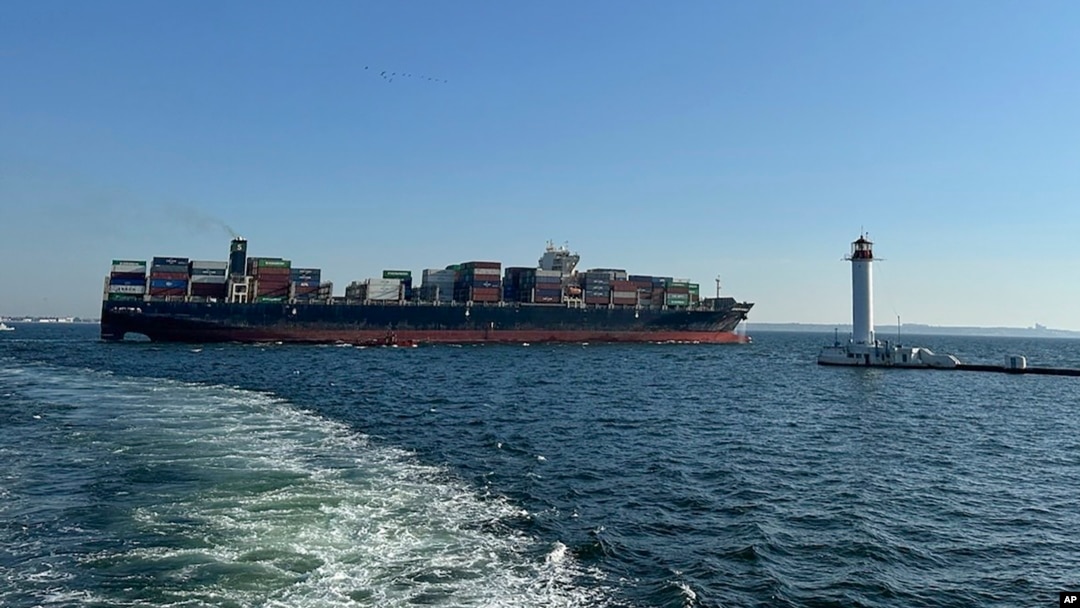
Cargo ships anchored near a Ukrainian Black Sea port as geopolitical tensions disrupt international grain exports.
By John Doe
Reporting from Ukraine 
Aug. 13, 2026, 2:16 a.m. - 1 month, 2 weeks ago
Ukraine is currently facing a critical race against time as Russian blockades of key Black Sea ports threaten to cripple the nation's agricultural export capacity. The ongoing closure of Odesa’s deep-water ports has emerged as a potential turning point in the conflict, with far-reaching consequences for global food stability.
Reports indicate that logistics costs have spiked by $50 per ton following the shutdown of these vital shipping hubs. The resulting disruption is already impacting international markets, with both Reuters and industry analysts warning that the reduced flow of Ukrainian grain is contributing to rising global food prices and worsening shortages.
While the situation remains dire, there are some signs of resilience in alternative trade routes. According to data from APK-Inform, prices for food wheat at Ukrainian Danube ports have shown signs of recovery, suggesting that agricultural producers are shifting toward smaller, secondary export channels in an attempt to bypass the maritime gridlock.
However, the Russian government continues to deflect blame, alleging that Ukrainian military actions are the primary driver behind the instability in food supplies. Analysts remain skeptical, viewing the blockade as a strategic escalation intended to exert economic pressure on Kyiv and its international partners. As the international community monitors the situation, the persistent threat to the 'grain corridor' poses a significant challenge to global food security in the months ahead.
Source: The Kyiv Independent
35
Like
0
Comments
8
Disike







Discussion