
news
Iran Conditions Strait of Hormuz Reopening on Sweeping U.S. Demands
Tehran demands the withdrawal of U.S. military forces, war reparations, and the release of frozen assets, complicating diplomatic efforts to restore transit through the critical maritime chokepoint.
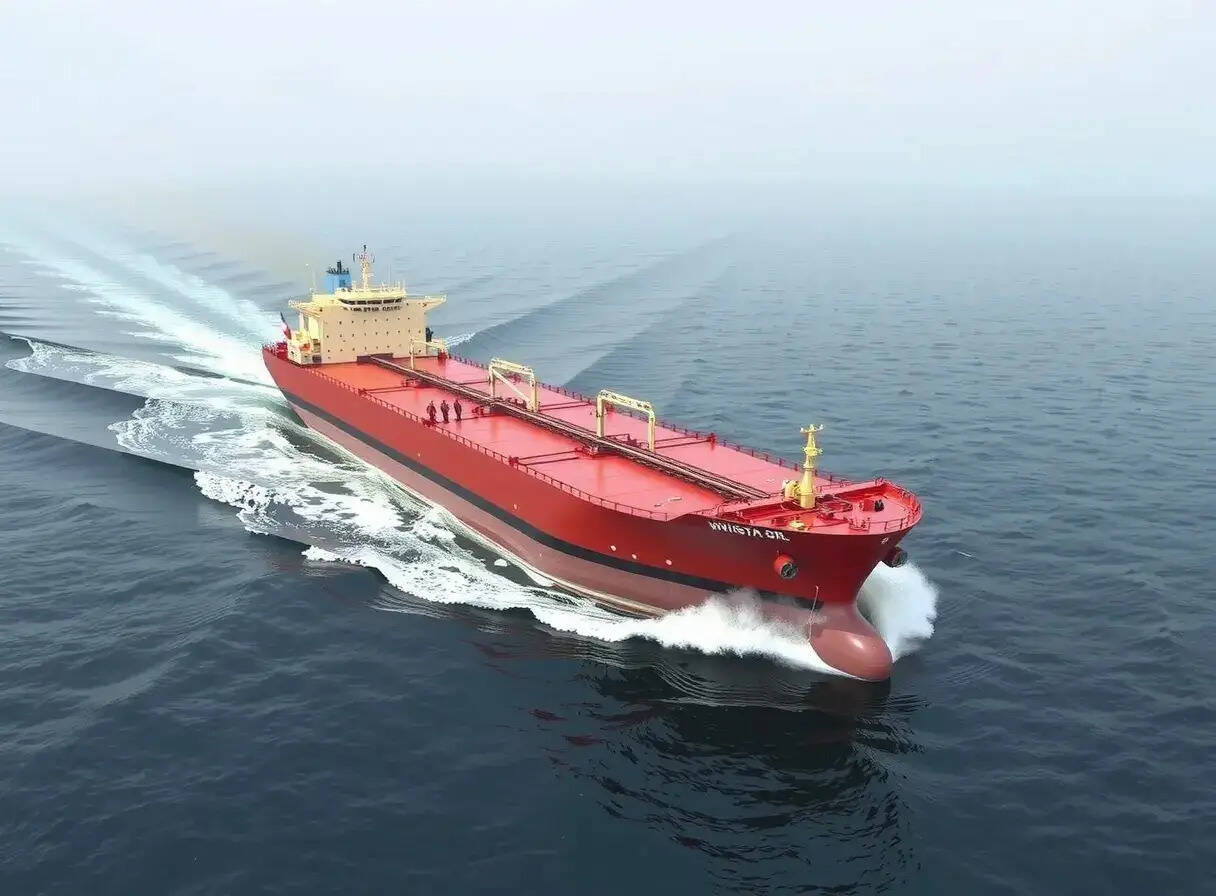
Tanker vessels navigating near the Strait of Hormuz amid heightened geopolitical tensions.
By John Doe
Reporting from Iran 
Aug. 8, 2026, 4:30 p.m. - 1 month, 2 weeks ago
TEHRAN — Hopes for a swift resolution to the blockade of the Strait of Hormuz dimmed on Wednesday as Iranian officials unveiled a stringent list of demands that must be met by the United States before shipping lanes are reopened.
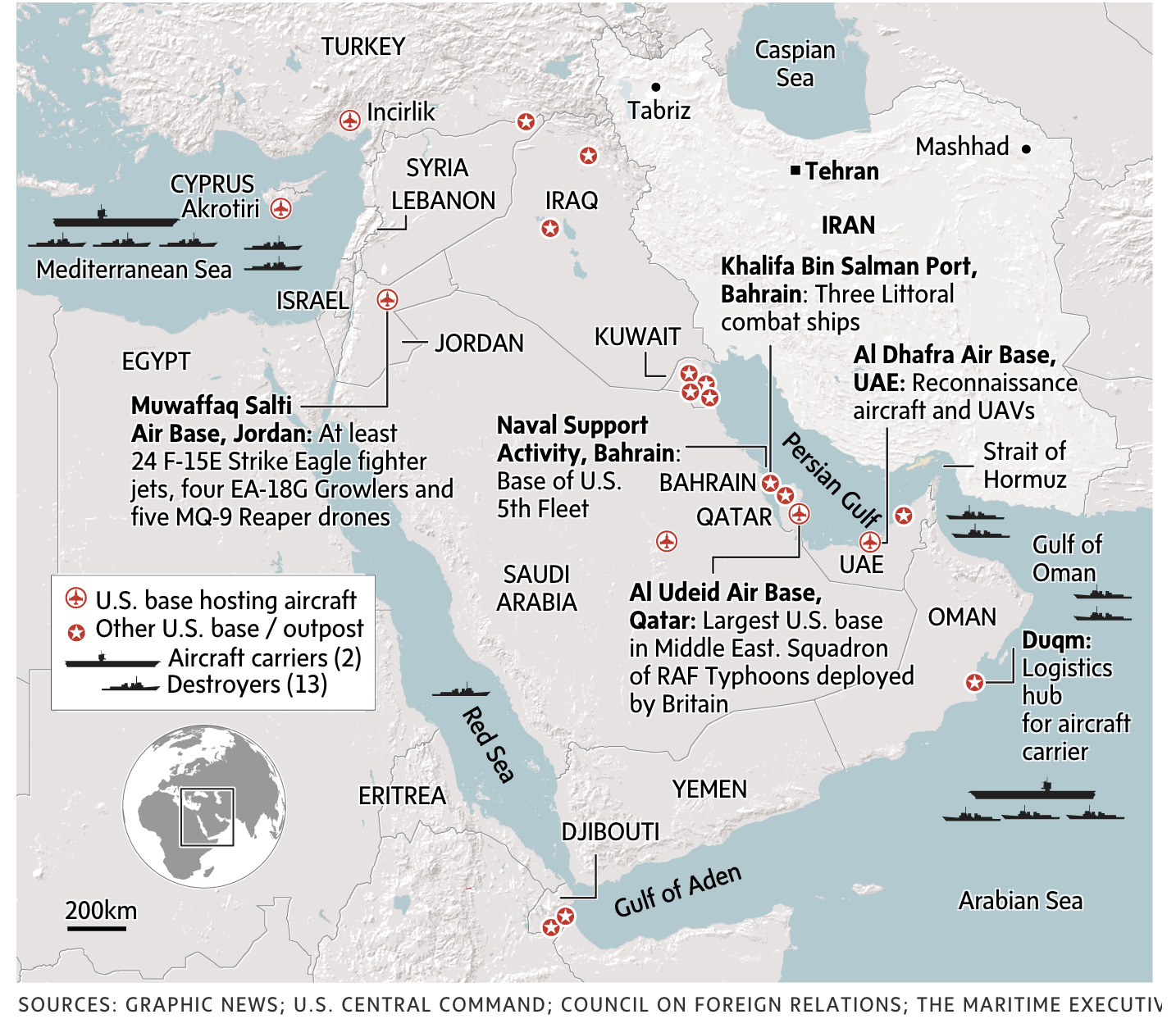
Following reports of ongoing talks between Iran and Oman, top security officials in Tehran have signaled that any potential agreement remains conditional. The demands include the complete withdrawal of U.S. military forces from the region, the payment of war reparations, and the release of billions in frozen Iranian assets.
"The Strait of Hormuz will not reopen until these fundamental conditions are addressed," a high-ranking security official stated. The announcement comes as global markets react to a significant decline in vessel traffic, with energy analysts warning of the potential for prolonged supply chain disruptions if the impasse continues.
While reports suggest that Iran and Oman are "very close" to a framework for negotiations, the discrepancy between diplomatic progress and Tehran's hardline stance has left the international community skeptical of an immediate breakthrough. The Strait of Hormuz, a critical artery for global oil and liquefied natural gas, remains under tight surveillance, with movement currently limited to non-commercial or restricted traffic.
As the situation develops, major powers are closely monitoring the dialogue between Tehran and Muscat. Investors remain on edge as the world's most vital energy transit point faces its most significant challenge in recent years. Govur News will continue to provide updates as more information becomes available.
Source: The New York Times
57
Like
0
Comments
13
Disike








Discussion