
news
Oil Prices Surge as Houthi Militants Target Saudi Oil Tanker in Red Sea
A fresh strike on a Saudi vessel near Yanbu heightens geopolitical tensions, raising concerns over global energy supply security and stability in the Hormuz region.

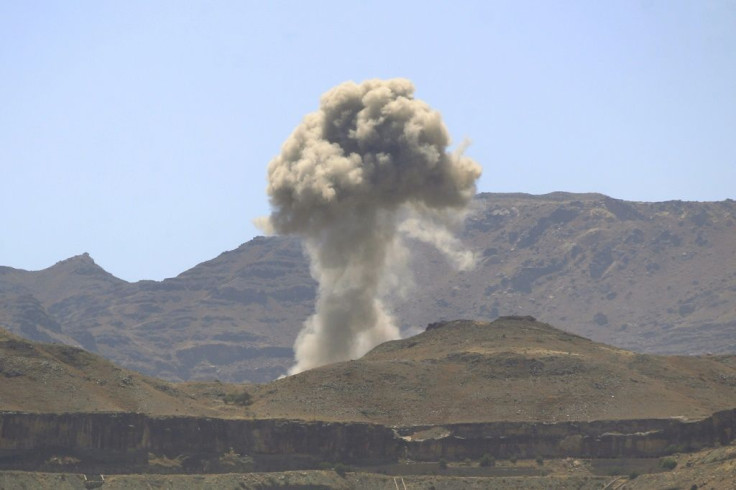
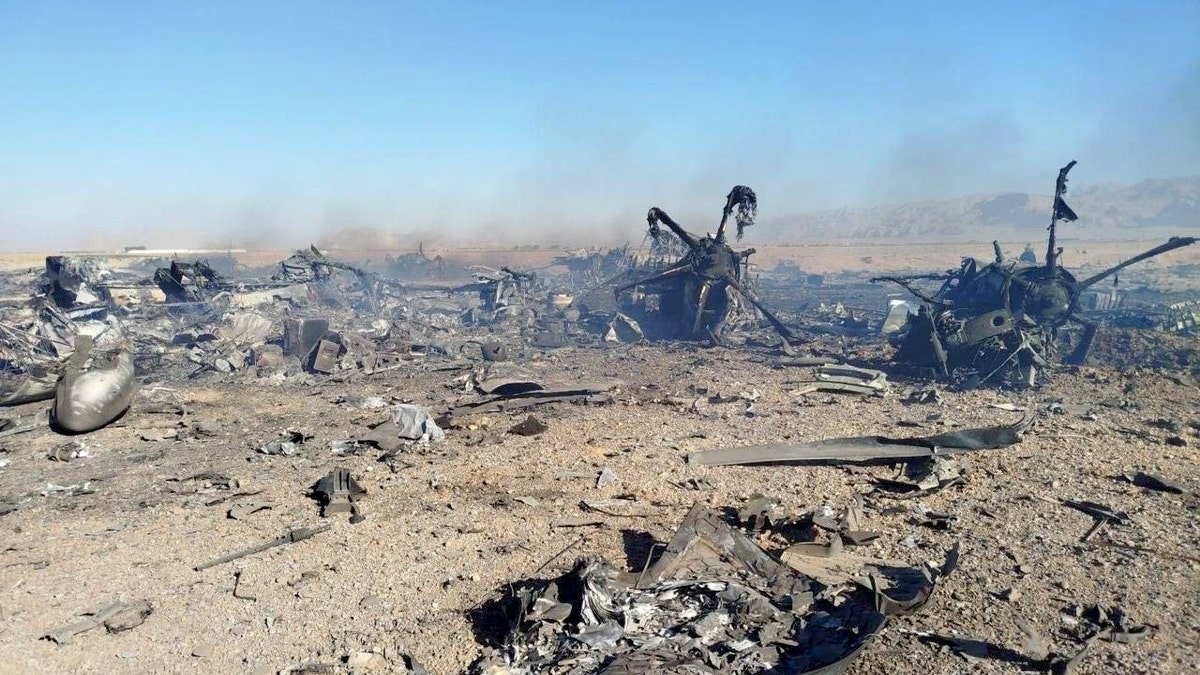
Smoke billows from a commercial oil tanker following a reported missile strike in the Red Sea.
By John Doe
Reporting from Saudi Arabia 
Aug. 5, 2026, 10:30 a.m. - 1 month, 3 weeks ago
Global oil markets saw a sharp rebound on Wednesday following reports that Houthi militants, an Iran-backed group based in Yemen, carried out a missile strike on a Saudi Arabian oil tanker off the port city of Yanbu.
The attack has sent shockwaves through energy sectors, as analysts warn that the escalation could threaten vital shipping lanes and upend regional stability. The incident, confirmed by live updates from international observers, has sparked immediate concerns regarding the security of the Bab el-Mandeb Strait—a critical chokepoint for global oil transit comparable in strategic importance to the Strait of Hormuz.
"The Houthi threat to Saudi energy infrastructure is no longer a localized conflict; it is now a direct variable in the global oil market," said one energy analyst. The incident serves as a significant hurdle for ongoing diplomatic efforts aimed at de-escalating tensions between the U.S., Iran, and regional stakeholders.
While some market observers previously noted a two-day dip in oil prices due to perceived progress toward a regional maritime deal, the latest aggression has effectively erased those gains. Investors are now closely monitoring the situation for signs of further military escalation, which could trigger a sustained supply chain disruption.
As the situation develops, international agencies and the Saudi-led coalition are investigating the extent of the damage to the vessel. Meanwhile, political observers note that this development complicates the broader diplomatic landscape, potentially influencing midterm electoral narratives that tie foreign policy success to energy price stability.
Source: Reuters
49
Like
0
Comments
13
Disike










Discussion