
world
Zambia strives to prevent the rapid spread of cholera
Lusaka – As cholera in Zambia continues to spread rapidly, efforts are being stepped up to stop the spread of the disease and save lives.
By John Doe
Reporting from Zambia 
Jan. 22, 2024, midnight - 2 years ago
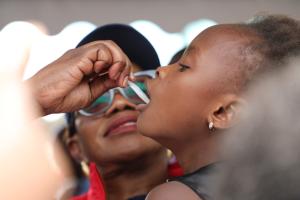
Vaccination campaigns are currently targeting 1.5 million people, including children, health workers and people at high risk of infection in the most affected areas.
The World Health Organization (WHO), in collaboration with Gavi, the Vaccine Alliance, UNICEF, and others, is supporting governments to effectively implement oral cholera vaccination campaigns and strengthen ongoing epidemic response efforts. More than 1.4 million doses of cholera vaccines have been delivered to the country to help contain the outbreak, and an additional 200,000 doses, for a total of approximately 1.7 million doses, have been approved by the WHO International Coordination Group for Vaccine Deployment.
The government has declared a new outbreak that started in Lusaka province in October 2023. As of January 18, 2024, 10,887 cases and 432 deaths had been reported in nine of the country's ten states. The worst-affected areas are Lusaka and the central and eastern provinces. The Lusaka area is the epicenter of the outbreak. The outbreak is spreading rapidly, with the country recording an average of 461 new cases every 24 hours over the past seven days.
The rapid spread of the disease and the increasing number of reported cases suggest that this outbreak could be one of the worst in the country's recent history. Cholera incidence is high in densely populated areas of Lusaka due to limited or no access to clean water and sanitation and poor hygiene practices.
“The current cholera outbreak requires a concerted and collective effort to protect the health and well-being of the population. Our priority is to work closely with governments, local health authorities, and collaborative partners. It’s about working together to provide immediate support and expertise,” says Dr. Nathan Bakyita, WHO Zambia Representative. ``The epidemiological situation highlights the urgency for a comprehensive response that addresses root causes and implements targeted interventions.''
WHO, in collaboration with governments, is working with governments to address key epidemic response areas. is being strengthened. The organization will deploy 23 people from its Africa regional office to support emergency coordination, case management, surveillance, infection prevention and control, improve water and sanitation services, and raise public awareness of the risks of the disease. Experts were dispatched.
WHO also provided the government with over 14 tonnes of cholera kits and additional medical supplies. The supply is sufficient to treat approximately 3,000 people with mild to severe cholera, including moderately ill patients at local oral rehydration facilities. The organization is also procuring additional supplies and equipment, including cholera beds, which are expected to be delivered within the next few days.
The government has launched a high-level outbreak response coordinated by the Disaster Management and Mitigation Department. Other measures to contain the outbreak include the provision of water tanks to provide clean drinking water to the community and oral rehydration in strategic locations in the community, such as markets, churches, and bus stops, where early treatment can be accessed. This includes establishing facilities and promoting public health. Campaign hygiene habits. Cholera treatment centers have been established to provide medical care to critically ill patients. Our largest treatment center is located at the National Heroes Stadium in central Lusaka.
-
. Cholera is an acute, highly virulent infectious disease that spreads rapidly, causes dehydration, and results in high morbidity and mortality. However, this disease is easily treatable. Most people are successfully treated with the immediate administration of oral rehydration solutions or intravenous fluids.
Effective control depends on improved epidemiological and laboratory surveillance, treatment, vaccines, improved access to clean water and basic sanitation, and behavior change to detect, confirm, and rapidly respond to outbreaks. It depends on the implementation of comprehensive measures, such as improving health and hygiene practices. community.
Source: World Health Organization
89
Like
0
Comments
70
Disike








Discussion