
entertainment
A New Generation of Latin Music Styles Is Redefining the Global Sound
Latin music is moving into a new creative era in 2025 as artists across the Americas experiment with hybrid styles that challenge traditional genre lines and reshape what the world expects from Latin sound.
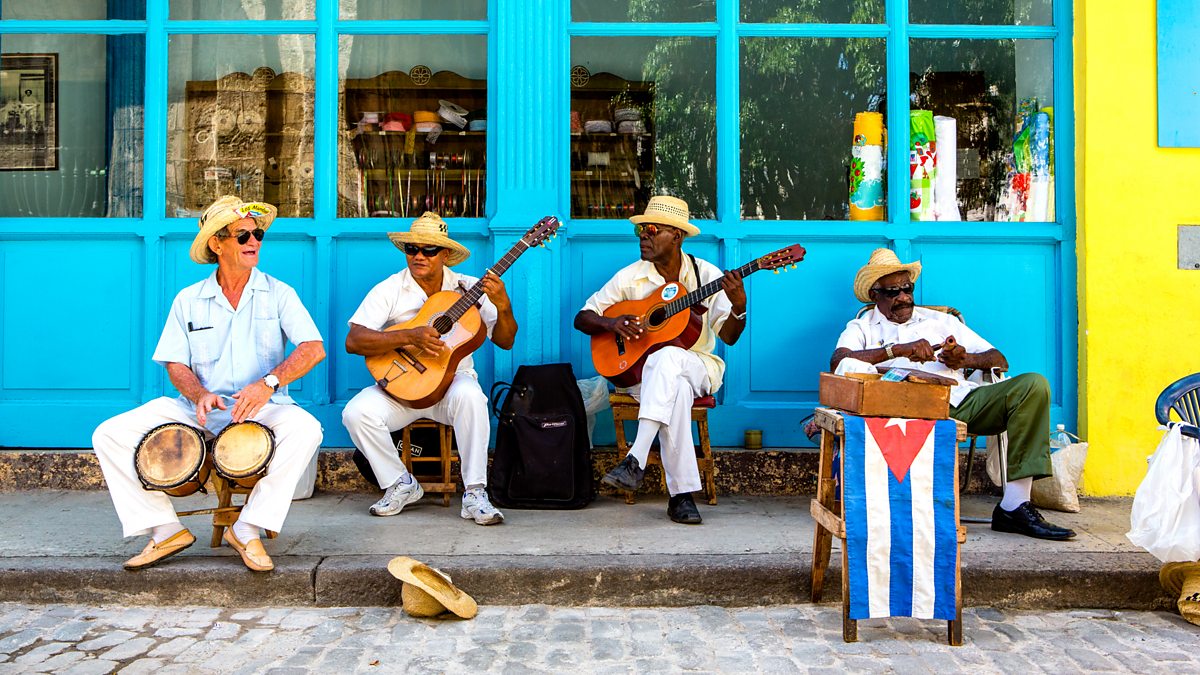
Band celebrating a carnival party in public
By John Doe
Reporting from Mexico 
Nov. 16, 2025, 11:48 a.m. - 2 months, 4 weeks ago
The shift is happening quickly and is increasingly visible on streaming charts, festival lineups and social platforms.
One of the most talked-about developments is the rise of cumbias bélicas. The style keeps the familiar cumbia rhythm but introduces darker tones, stripped-down percussion and street-focused storytelling. It has gained strong momentum among younger Mexican listeners who are driving its spread across digital platforms.
Another major trend is Afro-Latin fusion. Producers and vocalists are blending Afrobeats grooves with urbano and Latin pop structures. The result is a global sound that feels equally at home in Lagos, Bogotá, São Paulo and Miami. This cross-continental exchange has become one of the most consistent sources of new Latin hits.
In the Caribbean, artists are pushing boundaries in different ways. Merenguetón is emerging as a high-energy mix of traditional merengue patterns with the modern swing of reggaetón. Clubs across the region have adopted it for its pace and crowd appeal. At the same time, an experimental wave known as Trippy Pop is gaining attention. Bands like Rawayana are mixing psychedelic textures, reggae influences and electronic layers to create a softer, dream-like version of Latin pop.
Producers focused on heritage sounds are also steering innovation. Neo-cumbia acts are returning to the core rhythm while pairing it with minimal electronic production. Regional Mexican music continues to evolve through electro-corridos and similar blends that bring corrido storytelling into dialogue with EDM, trap and house.
Some of the biggest names in Latin music are reinforcing the movement. Karol G’s album Tropicoqueta uses live instrumentation to reconnect with cumbia, salsa and vallenato. Natanael Cano has pivoted toward urbano, trap and Afrobeats elements, signalling a broader shift among artists who once stayed within a single genre.
The rapid growth of hybrid sounds is creating challenges for digital platforms that still rely on older classification systems. Recent research in automated genre recognition suggests that new tools may be needed to keep pace with Latin music’s expanding landscape.
What now
For readers who want to explore these emerging styles in a more structured way, there is growing interest in the Latin Music Styles Certification. The course offers a deeper look at where these sounds come from, how they are produced and why they are reshaping the global market.
192
Like
0
Comments
163
Disike












Discussion