
news
Netanyahu's Rejection of Trump's Gaza Plan Strains Ties and Sparks Global Concern
Israeli Prime Minister faces diplomatic fallout after dismissing U.S. proposal, as allies worry over Donald Trump's influence on regional stability.
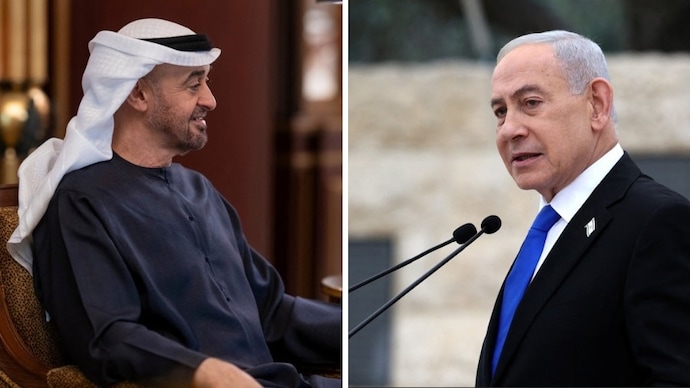
Israeli Prime Minister Benjamin Netanyahu speaks at a press conference amid ongoing diplomatic tensions regarding the Gaza ceasefire negotiations.
By John Doe
Reporting from Israel 
Aug. 12, 2026, 8:16 a.m. - 1 month, 2 weeks ago
JERUSALEM — Israeli Prime Minister Benjamin Netanyahu has drawn significant international scrutiny after officially rejecting a Gaza ceasefire and reconstruction plan proposed by Donald Trump. The move has reignited concerns among U.S. allies regarding the extent of Trump's geopolitical clout and the stability of future Middle East policy.
Political analysts suggest that Netanyahu is attempting to navigate a delicate balancing act, prioritizing domestic political security over alignment with the former U.S. President. By distancing his administration from Trump’s specific framework—which reportedly hinges on the disarmament of Hamas and phased Israeli withdrawals—Netanyahu is signaling that he views the current proposal as a threat to Israel's immediate security objectives.
International observers are divided on the implications of this friction. While some fear that Netanyahu’s refusal could permanently fracture his relationship with the Trump camp, others argue it is a calculated risk meant to prove his independence.
Meanwhile, the policy discourse is shifting. Reports from Foreign Policy suggest that the focus of any U.S.-led intervention should perhaps be redirected. Experts argue that the West Bank remains the more volatile and critical theater that requires urgent attention, potentially overshadowing the administration's current preoccupation with Gaza.
As the diplomatic standoff continues, the global community remains on high alert, watching to see how the rejection impacts both the ongoing conflict and the internal political dynamics of the U.S. election cycle. For now, Netanyahu appears committed to maintaining his own strategic autonomy, regardless of the potential diplomatic cost.
Source: politico.com
39
Like
0
Comments
16
Disike











Discussion