
news
Puerto Rico Faces Severe Water Crisis as Drought Triggers Rationing and Federal Intervention
Federal agencies deploy water trailers to the island as residents struggle with ongoing shortages and the psychological toll of perpetual crisis.
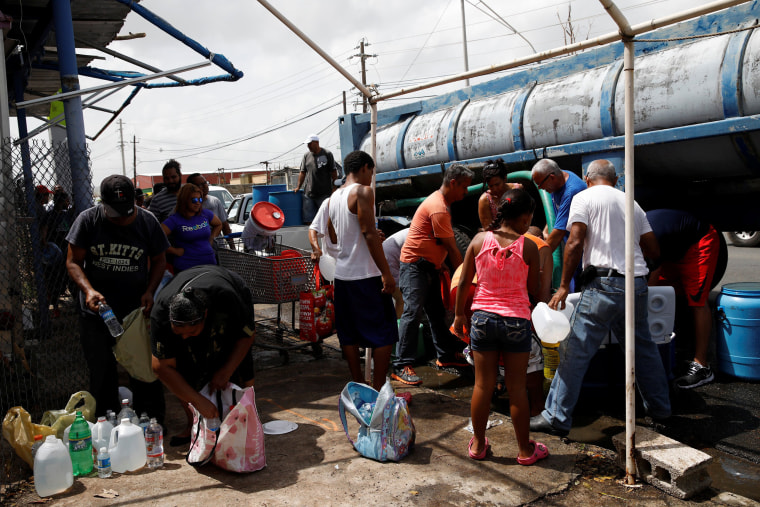
A water distribution site in Puerto Rico as residents wait to fill containers during an ongoing drought.
By John Doe
Reporting from Puerto Rico 
Aug. 13, 2026, 8:16 p.m. - 1 month, 2 weeks ago
Puerto Rico is currently grappling with a severe water crisis brought on by a prolonged and intense drought, leading authorities to implement strict water rationing across the island. The shortages have prompted an urgent response from federal partners, with FEMA announcing the delivery of water trailers to support affected communities.
The crisis has placed a renewed spotlight on the island's infrastructure and the resilience of its residents. For many living in Puerto Rico, this is not an isolated event but a continuation of systemic challenges that have exhausted the public. The sentiment expressed by many is one of frustration and fatigue, with commentators noting that the constant demand for 'resilience' has become a heavy burden for a population frequently left to navigate emergencies on their own.
In Connecticut, a state with a large Puerto Rican diaspora, community leaders are working to spread awareness of the situation back home, calling for increased attention and meaningful action. The response from the mainland has been mixed, with some critics—including voices in the entertainment industry—calling for more substantial support and visibility for the island's plight, arguing that 'thoughts and prayers' are insufficient in the face of such persistent environmental and logistical failures.
As the drought continues, residents remain under strict water usage mandates. Local officials are working to manage limited reservoirs, but as the situation develops, the focus has shifted toward how effectively the island can distribute aid and whether long-term infrastructure improvements will finally be prioritized to prevent future emergencies.
Source: The Cut
49
Like
0
Comments
7
Disike








Discussion