
news
Saudi Arabia Redirects Oil Shipments as Red Sea Security Risks Intensify
Crude transit through the Bab-el-Mandeb Strait has plummeted to near zero as Saudi Arabia pivots to Mediterranean pipelines to bypass Houthi threats.

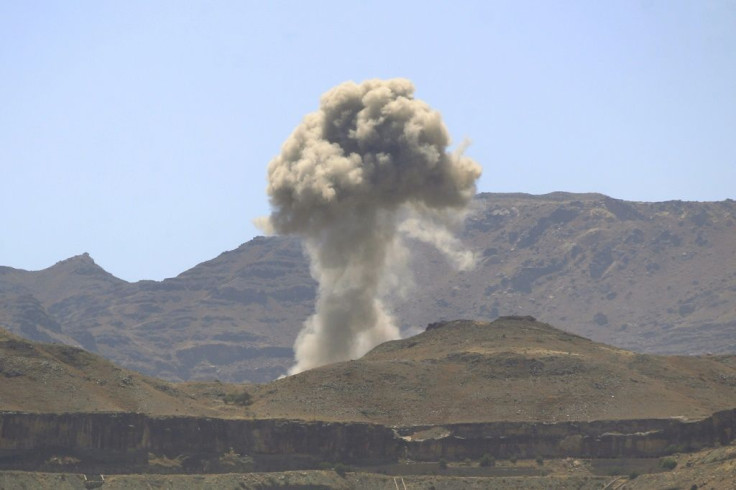
An oil tanker navigating the open sea, representing the shifting routes of global energy supply.
By John Doe
Reporting from Saudi Arabia 
Aug. 13, 2026, 8:16 p.m. - 1 month, 2 weeks ago
Saudi Arabia has significantly altered its oil export strategy in response to rising security concerns in the Red Sea. According to recent data, oil shipments passing through the critical Bab-el-Mandeb Strait have plummeted to near zero in August as regional geopolitical tensions escalate.
The shift comes as Houthi militants continue to pose an evolving threat to commercial shipping, effectively forcing Saudi oil exports to 'go dark' in the region. To maintain the steady flow of crude to global markets, the kingdom has increasingly ramped up its reliance on the Petroline (East-West Pipeline), which directs oil toward Mediterranean ports, bypassing the volatile chokepoint entirely.
Analysts are describing the development as a 'double chokepoint crisis,' noting that the combination of risks in the Red Sea and the ever-present tensions surrounding the Strait of Hormuz has created a complex logistical environment for energy security. By pivoting toward the Mediterranean, Saudi Arabia is attempting to insulate its supply chain from the direct threat of drone and missile attacks that have plagued the southern Red Sea transit corridor.
While this rerouting strategy provides a necessary alternative, industry observers warn that the reconfiguration of these global energy shipping lanes could be prone to short-term market volatility. As the world’s leading oil exporter adapts to these systemic risks, the increased reliance on alternative transit routes could exert upward pressure on global oil prices should the maritime security situation fail to stabilize.
The reduction in Red Sea traffic marks a pivotal shift for the international shipping industry, which relies on these corridors for a significant percentage of global energy throughput. As of now, shipping firms continue to weigh the costs of longer, alternative routes against the mounting insurance and security premiums associated with traversing the Red Sea.
Source: Reuters
56
Like
0
Comments
13
Disike











Discussion