
news
South China Sea: The Long Shadow of the 2016 Arbitration Ruling
A decade after the landmark legal victory for the Philippines, tensions in the South China Sea remain high as international actors debate the efficacy of ocean governance and the prospects for a binding code of conduct.

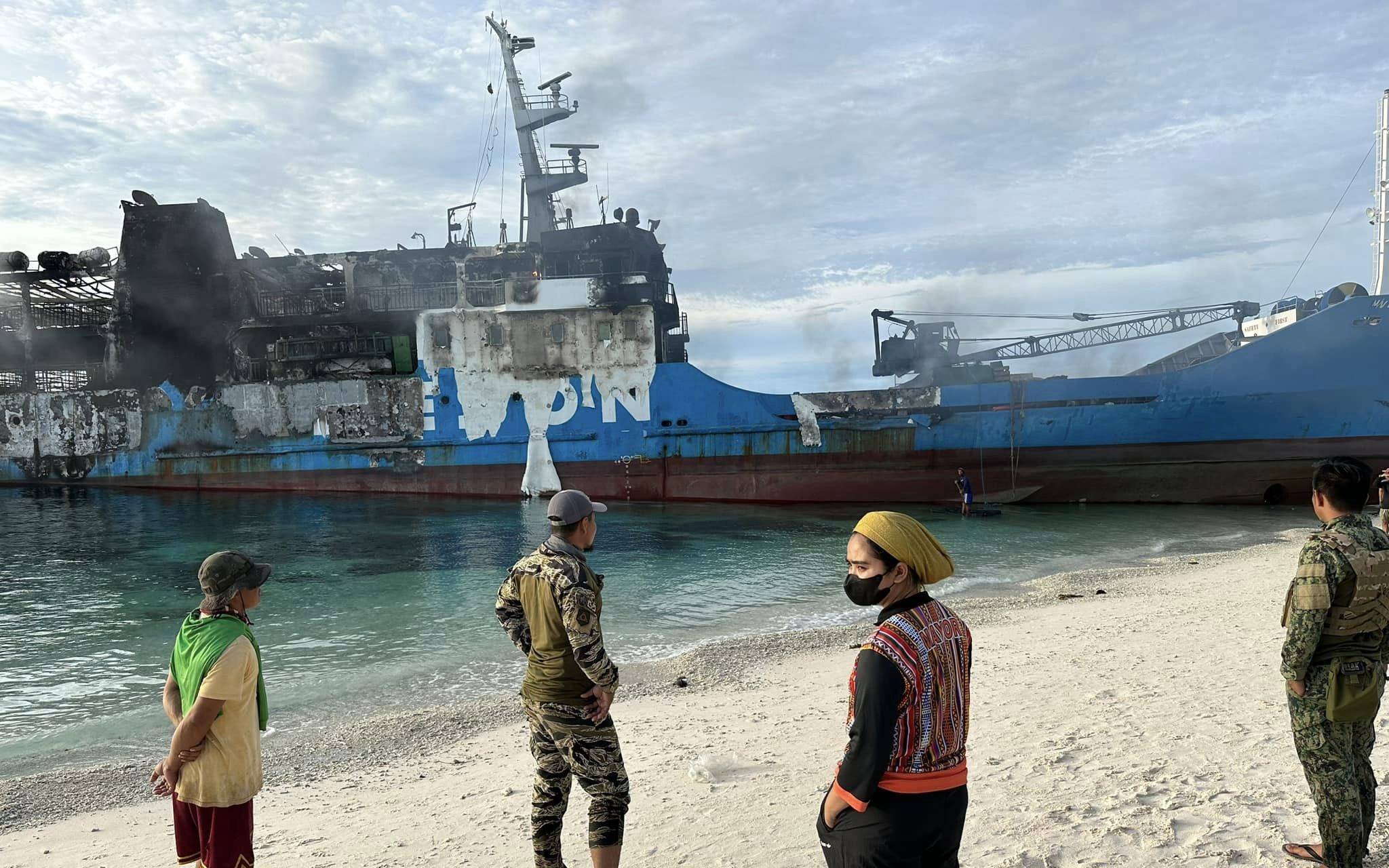
A naval vessel navigating the contested waters of the South China Sea, representing the ongoing geopolitical standoff.
By John Doe
Reporting from Philippines 
July 30, 2026, 3:37 a.m. - 1 month, 2 weeks ago
As the anniversary of the landmark 2016 South China Sea arbitration ruling passes, the geopolitical landscape of the region continues to be defined by the friction between legal frameworks and strategic maritime assertions. While the Permanent Court of Arbitration’s ruling famously invalidated Beijing’s broad expansive claims, the reality on the water remains starkly different from the mandates of international law.
Recent analysis from global experts suggests that the 2016 award serves as more than just a historical marker; it remains a foundational pillar for regional maritime rules. However, Beijing continues to dismiss the ruling as "waste paper," fueling an ongoing standoff that challenges the sovereignty of surrounding nations, most notably the Philippines.
Analysts from ISPI and Foreign Affairs point out that while the legal victory provided a clear moral and diplomatic framework for Manila, the enforcement of these maritime rights has proven difficult. China’s "next play" for the region involves an intensifying strategy of gray-zone tactics, effectively testing the limits of what a legally binding Code of Conduct (COC) could actually achieve.
Discussions surrounding the future of a binding Code of Conduct between ASEAN and China have reached a critical juncture. Proponents argue that a robust, rules-based agreement is essential to preventing accidental escalation. Conversely, critics remain skeptical, noting that Beijing's preference for bilateral management often undermines multilateral legal frameworks.
As the international community reflects on the decade since the ruling, the central question persists: can international legal precedents withstand the pressure of power politics, or will the South China Sea remain a flashpoint where might continues to be perceived as right? The coming years will likely be defined by whether regional actors can leverage the 2016 award to secure a stable and rules-based maritime order.
Source: Foreign Affairs
39
Like
0
Comments
6
Disike









Discussion