
news
Strait of Hormuz Tensions Escalate as Iran Rejects Gulf-Backed Fee Proposal
Diplomatic efforts by Oman and Saudi Arabia stall as Tehran doubles down on territorial claims amid intensified US-Iran power struggle.

A commercial tanker navigating through the Strait of Hormuz with military vessels nearby.
By John Doe
Reporting from Iran 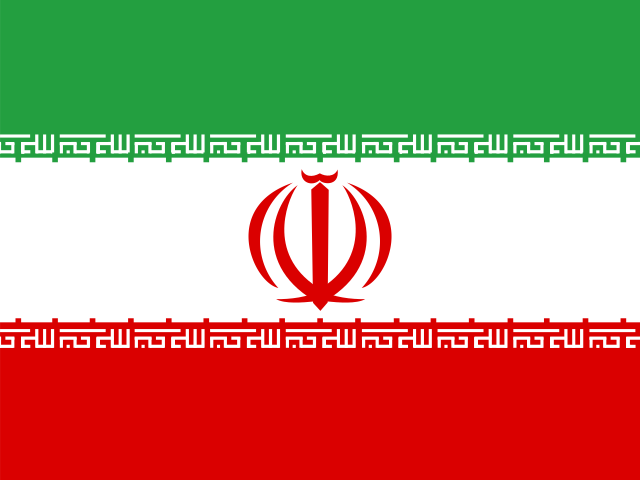
July 29, 2026, 9:37 p.m. - 1 month, 2 weeks ago
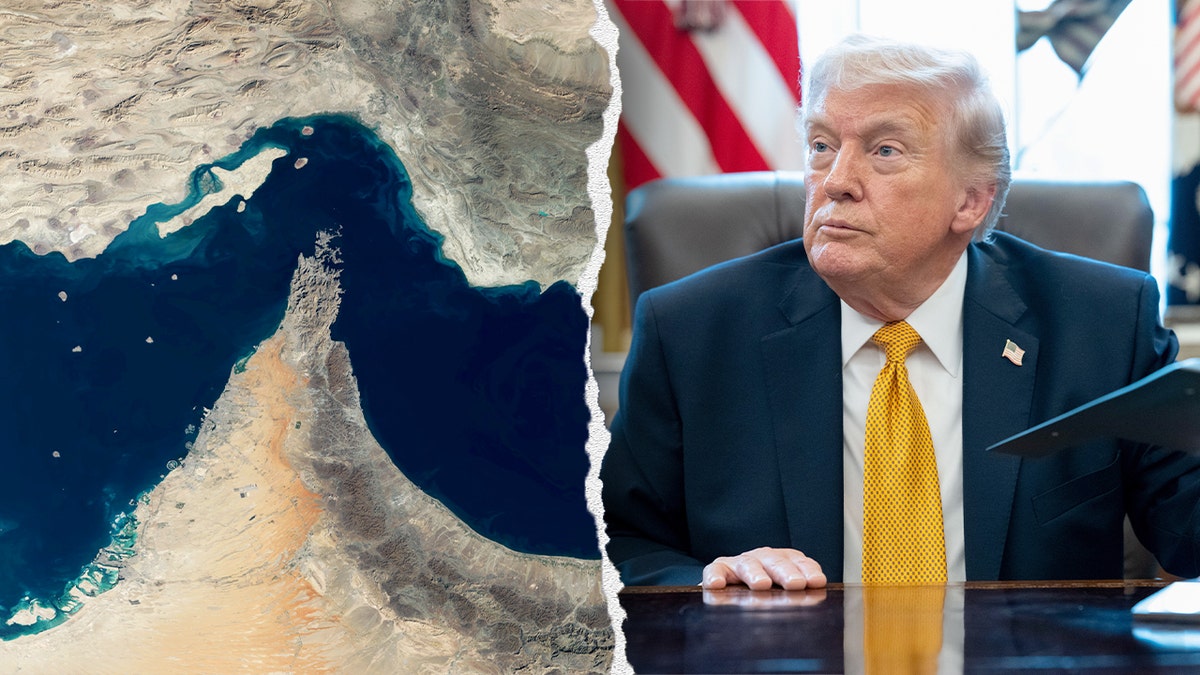
Diplomatic efforts to stabilize navigation through the critical Strait of Hormuz have hit a significant impasse, as Iran formally rejected an Omani-mediated proposal to implement a voluntary fee system for transit through the waterway. The plan, reportedly backed by regional Gulf nations, sought to establish a framework for maritime stability in one of the world's most vital energy transit routes.
Tehran’s refusal underscores a hardening stance from the Iranian government. A senior Iranian lawmaker issued a defiant statement regarding the development, asserting that the Strait of Hormuz is under the sovereign jurisdiction of Iran and stating, "We will not back down."
This rejection comes during a period of heightened regional uncertainty. While Iran has recently engaged in high-level talks with representatives from Saudi Arabia and Oman—discussions that even drew public acknowledgment from former President Donald Trump, who hailed the interactions as "good talks"—there is little evidence of a breakthrough. Both the United States and Iran continue to seek allies to solidify their respective influence in the region, yet neither power appears to be making substantial progress in securing a decisive strategic advantage.
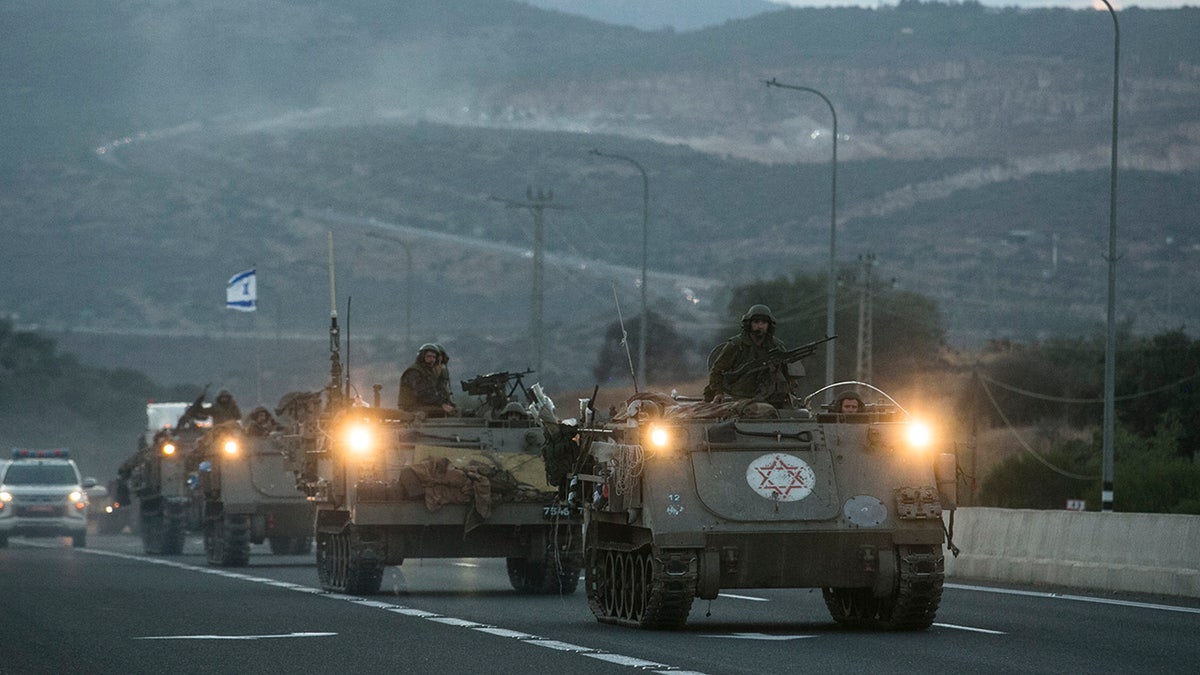
The international community remains on high alert as the competing interests of global powers and regional stakeholders converge on the Strait. With the collapse of the latest fee proposal, analysts warn that the lack of a formal agreement could lead to further maritime friction. As Iran demands greater control over the waterway, the stalemate threatens to disrupt global shipping lanes, forcing the U.S. and its partners to reconsider their security postures in the Persian Gulf.
Source: Yahoo Finance
54
Like
0
Comments
13
Disike








Discussion