
US
What the Midterm Results Mean for U.S. Foreign Policy
The election results are shifting how the U.S. handles its business with other countries. Here is what you need to know.
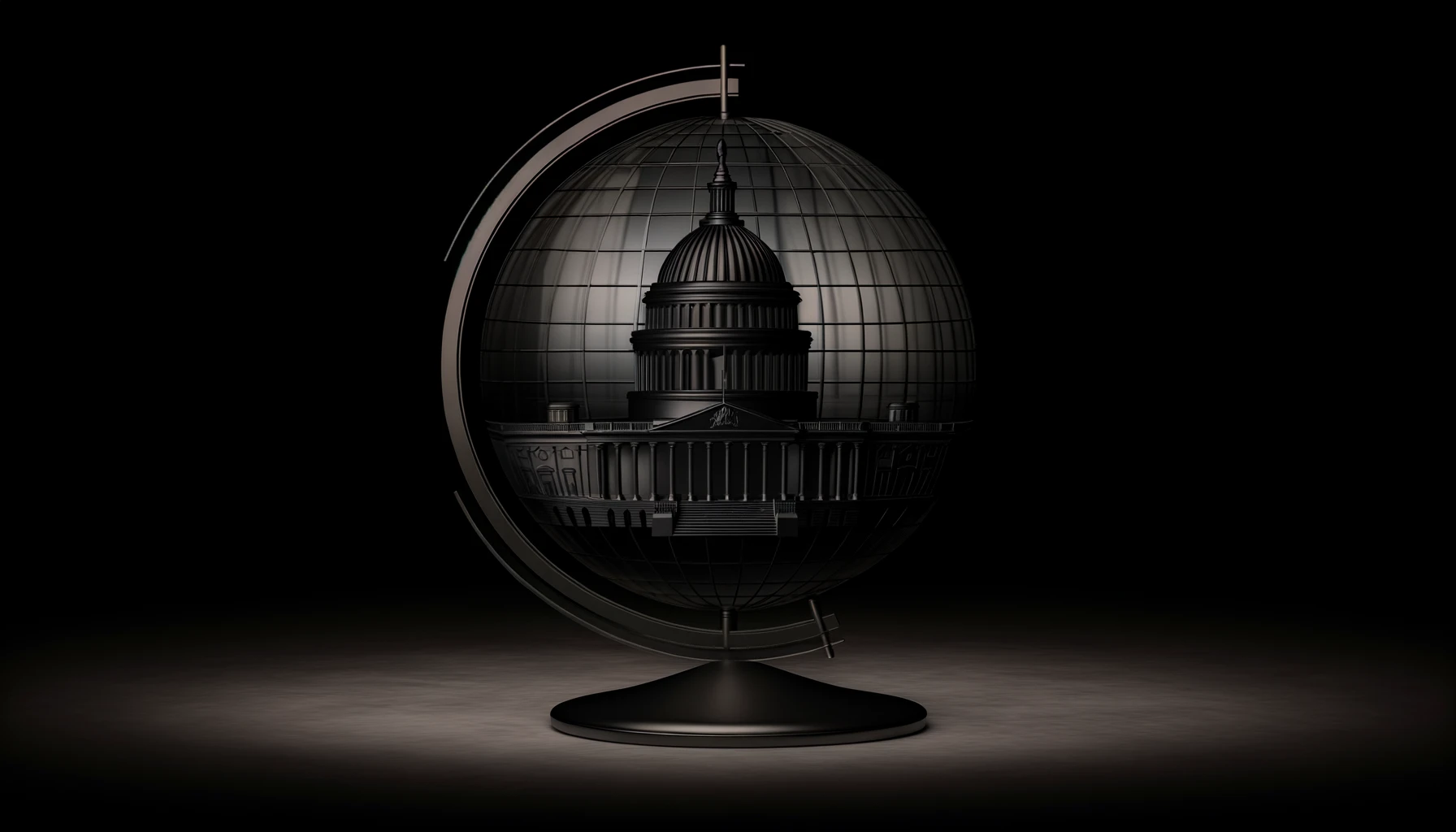
A split-screen image showing the U.S. Capitol building and a globe of the world.
By John Doe
Reporting from United States of America 
Nov. 6, 2026, 12:03 p.m. - 3 hours ago
The U.S. midterm elections have wrapped up, and they are already changing how America deals with the rest of the world.
Even though the results weren't a total sweep for anyone, they have clearly shaken things up. Democrats are looking at ways to change how the U.S. approaches foreign policy. Meanwhile, even with the election behind us, Donald Trump still has a big influence on how many people think about international issues.
Different countries are watching very closely to see what happens next. Here is how some parts of the world are reacting:
* **Iran, Israel, and Ukraine:** Experts are busy trying to guess how the election results will affect relationships with these three countries. These areas are high priorities for the U.S., and the shifting power in Congress could change how much support or pressure they receive.
* **World leaders:** Some foreign leaders are being quite vocal about the situation. Reports show that some are actually happy to see the Republican party struggle, viewing the results as a sign of trouble for Donald Trump.
* **U.S. Rivals:** Countries that don't always get along with the U.S. are also paying attention. Many of these nations are using the election results to talk about what they see as a weakening of American influence on the global stage.
At the end of the day, foreign policy is usually a mix of what the White House wants and what Congress agrees to fund. With a new balance of power, expect to see some tug-of-war over how America spends its time and money abroad in the coming months.
Source: NPR
12
Like
0
Comments
2
Disike





Discussion